

Introduction
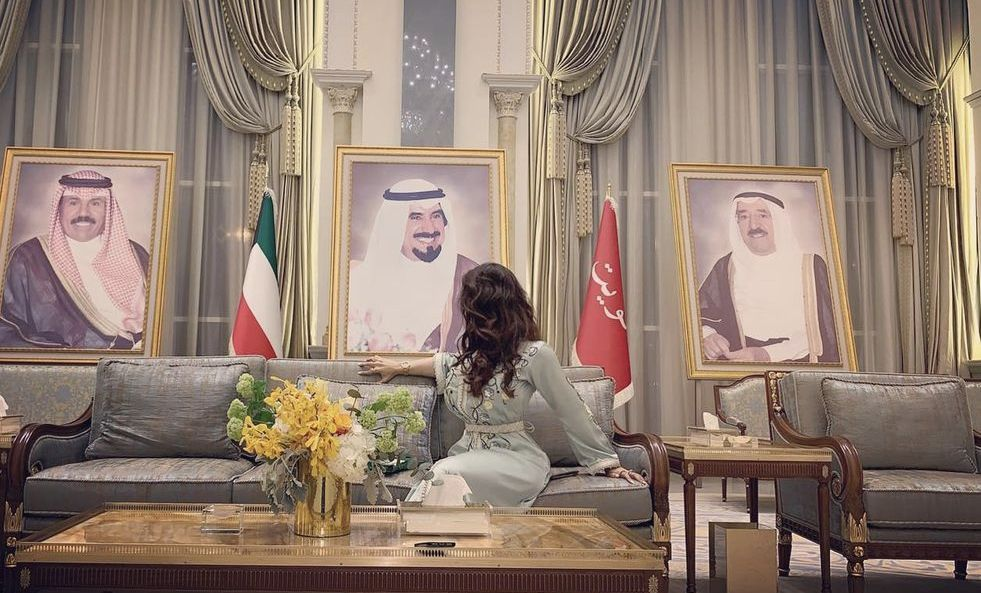
Gulf culture and lifestyle reflect a unique blend of ancient traditions and modern development. The Gulf region is known for its rich heritage, strong family values, luxury living, hospitality, and deep-rooted customs. Countries such as Saudi Arabia, the United Arab Emirates, Qatar, Kuwait, Bahrain, and Oman have become global destinations for tourism, business, and cultural exploration. Despite rapid modernization, the people of the Gulf continue to preserve their traditions, language, religion, and social values.
For beginners and intermediate readers, understanding gulf culture and lifestyle offers a fascinating look into how modern cities and traditional customs exist side by side. From beautiful desert landscapes to world-famous skyscrapers, the region presents a lifestyle that combines comfort, elegance, spirituality, and community living.
The Gulf is also recognized for its welcoming hospitality, delicious cuisine, luxury shopping malls, and vibrant social gatherings. At the same time, respect for religion and cultural traditions remains an important part of everyday life. Learning about these customs can help travelers, students, workers, and business professionals better connect with the people and environment of the region.
In this article, you will explore the traditions, values, social practices, daily routines, food habits, fashion, entertainment, and modern influences that define life in the Gulf today.
What is Gulf Culture and Lifestyle?
Gulf culture and lifestyle refer to the traditions, customs, social values, habits, and daily living patterns followed in the Gulf countries. These countries share similar cultural backgrounds influenced by Arab traditions, Islamic teachings, desert life, and maritime history.
The culture of the Gulf is built on respect, family unity, hospitality, and community support. People in the region often value strong relationships, generosity, and social responsibility. Traditional practices such as serving Arabic coffee to guests, wearing cultural clothing, and celebrating religious festivals are still common today.
At the same time, the Gulf lifestyle has become increasingly modern. Major cities like Dubai, Doha, and Riyadh are known for advanced infrastructure, luxury hotels, shopping centers, and international business opportunities. Residents enjoy modern technology, high-quality healthcare, international education, and entertainment while maintaining traditional values.
Gulf culture and lifestyle also include cuisine, arts, architecture, music, social etiquette, and family traditions. It is a combination of history and progress that creates a unique identity for the region.
Why is Gulf Culture and Lifestyle Important?
Understanding gulf culture and lifestyle is important for several reasons. It helps people appreciate the traditions and values that shape everyday life in the region.
First, cultural understanding promotes respect and better communication. Millions of expatriates live and work in Gulf countries, so knowing local customs can improve personal and professional relationships.
Second, the Gulf region plays a major role in the global economy. International businesses often interact with Gulf markets, making cultural awareness valuable for successful partnerships and networking.
Another reason is tourism. Travelers who understand local etiquette and traditions often enjoy more meaningful experiences. Respecting dress codes, religious practices, and social customs can help visitors feel more comfortable and welcomed.
In addition, gulf culture and lifestyle offer lessons about balancing tradition and modernization. The region has developed rapidly while preserving important cultural and religious values. This balance attracts global attention and admiration.
Finally, learning about Gulf traditions helps preserve cultural identity. Younger generations can better understand their heritage while adapting to modern lifestyles and technologies.
Detailed Step-by-Step Guide
Understanding Family Values in the Gulf
Family is one of the most important parts of gulf culture and lifestyle. Families often live close to one another and maintain strong emotional connections. Respect for parents and elders is highly valued.
In many Gulf households, family gatherings happen regularly. Weddings, religious celebrations, and weekend meals bring relatives together. Children are taught to honor traditions and support family members.
Guests are treated with generosity and kindness. Offering coffee, tea, and food is considered a sign of respect and hospitality.
Learning About Traditional Clothing
Traditional clothing remains an important symbol of identity in Gulf countries.
Men commonly wear the thobe or dishdasha, which is a long white robe suitable for the hot climate. Women often wear the abaya, a loose black garment, along with a headscarf.
Although modern fashion is popular, traditional clothing is still widely worn during daily life, religious events, and national celebrations. These outfits represent modesty, cultural pride, and comfort.
Exploring Gulf Cuisine
Food is a major part of gulf culture and lifestyle. Traditional Gulf cuisine includes rice dishes, grilled meats, seafood, dates, and aromatic spices.
Popular dishes include:
- Machboos
- Harees
- Kabsa
- Luqaimat
- Grilled kebabs
- Fresh seafood meals
Arabic coffee and dates are commonly served to guests. Meals are often shared with family and friends, reflecting the importance of togetherness.
Modern Gulf cities also offer international cuisines from around the world. Restaurants serving Asian, European, and American dishes are easy to find.
Understanding Religion and Daily Life
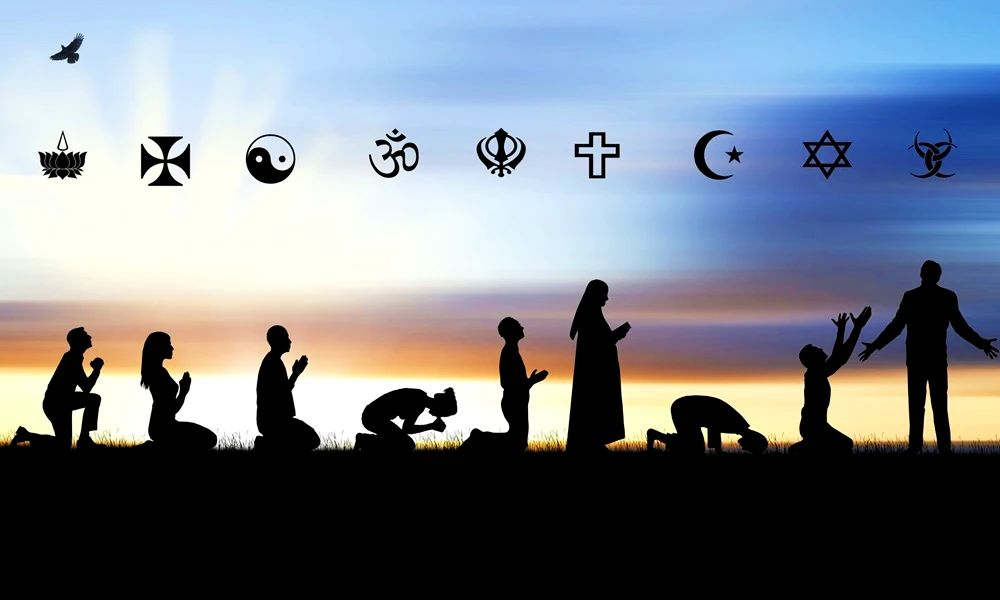
Islam plays a central role in daily life across the Gulf region. Prayer times, fasting during Ramadan, and religious celebrations influence social routines and business schedules.
People are encouraged to show respect for religious customs. During Ramadan, many restaurants adjust their operating hours, and public behavior becomes more conservative.
Mosques are important community centers where people gather for worship and social interaction.
Experiencing Hospitality and Social Etiquette
Hospitality is one of the strongest characteristics of gulf culture and lifestyle.
Visitors are usually welcomed warmly and treated with kindness. Greeting others politely is important, and handshakes are common in professional settings.
Social etiquette includes:
- Respecting elders
- Dressing modestly
- Using polite language
- Accepting food or drinks when offered
- Avoiding disrespectful behavior in public
Understanding these customs helps create positive relationships.
Discovering Modern Lifestyle in Gulf Cities
The Gulf region is famous for modern architecture, luxury living, and advanced infrastructure.
Cities such as Dubai and Doha feature:
- Luxury shopping malls
- Modern transportation systems
- High-rise buildings
- International schools
- Smart technologies
- Entertainment centers
Residents often enjoy a high standard of living with access to excellent healthcare, education, and business opportunities.
Despite modernization, cultural values continue to shape social life and community traditions.
Entertainment and Leisure Activities
Entertainment options in the Gulf have expanded significantly in recent years.
People enjoy activities such as:
- Desert safaris
- Shopping festivals
- Beach visits
- Family parks
- Cultural museums
- Sports events
- Traditional music performances
Many Gulf countries also host international concerts, exhibitions, and sporting competitions.
Families often spend weekends together at restaurants, parks, or shopping centers.
Understanding Work Culture in the Gulf
Professional environments in Gulf countries combine modern business practices with traditional values.
Punctuality, respect, and professionalism are important in workplaces. Building trust and personal relationships can also play a major role in business success.
Many companies employ people from different nationalities, creating multicultural work environments. English is widely used in business communication alongside Arabic.
Employees are generally expected to dress professionally and behave respectfully.
Education and Learning Environment
Education is highly valued in gulf culture and lifestyle. Governments across the region have invested heavily in schools, universities, and research institutions.
Students can access both local and international education systems. Many universities partner with global institutions to provide high-quality learning opportunities.
Technology has also transformed education in the Gulf, making online learning and digital classrooms more common.
Celebrating Festivals and Traditions
Religious and national celebrations are important aspects of Gulf life.
Major celebrations include:
- Ramadan
- Eid al-Fitr
- Eid al-Adha
- National Day events
During festivals, families gather to share meals, exchange gifts, and participate in community activities.
Traditional dances, music, and cultural performances are often part of public celebrations.
Benefits of Gulf Culture and Lifestyle
Gulf culture and lifestyle provide many advantages for residents, visitors, and workers.
- Strong family support systems
- High levels of hospitality and generosity
- Safe and modern urban environments
- Rich cultural traditions and history
- Excellent business opportunities
- Advanced healthcare and education facilities
- Diverse international communities
- Luxury entertainment and shopping experiences
- Respect for community values
- Opportunities for personal and professional growth
The combination of tradition and modernization creates a balanced and attractive way of living.
Disadvantages / Risks
Although the Gulf region offers many benefits, there are also some challenges and risks to consider.
- Hot weather conditions during summer months
- High cost of living in major cities
- Cultural adjustment for newcomers
- Strict laws and regulations in some countries
- Traffic congestion in busy urban areas
- Language barriers for some expatriates
- Limited outdoor activities during extreme heat
- Pressure of fast-paced urban lifestyles
Understanding local customs and preparing in advance can help reduce these challenges.
Common Mistakes to Avoid
Many newcomers make avoidable mistakes when adapting to gulf culture and lifestyle.
Ignoring Cultural Traditions
Disrespecting traditions or social customs can create misunderstandings. Learning local etiquette is important.
Dressing Inappropriately
Wearing overly revealing clothing in conservative areas may be considered disrespectful.
Speaking Negatively About Religion
Religion is highly respected in the Gulf region. Sensitive discussions should always be approached carefully.
Refusing Hospitality Rudely
Rejecting food or drinks without politeness may seem impolite.
Not Understanding Business Etiquette
Professional relationships often rely on trust and respectful communication.
Failing to Learn Basic Arabic Phrases
Even simple greetings in Arabic can create positive impressions.
Ignoring Local Laws
Each Gulf country has specific regulations that visitors and residents should follow carefully.
FAQs
What makes gulf culture and lifestyle unique?
Gulf culture and lifestyle are unique because they combine traditional Arab customs with modern development. The region preserves its heritage while embracing technology, luxury living, and global business opportunities.
Is the Gulf region suitable for expatriates?
Yes, millions of expatriates live and work in Gulf countries. The region offers strong career opportunities, modern infrastructure, and multicultural communities.
What are the most important social values in the Gulf?
Family unity, hospitality, respect for elders, generosity, and religious values are among the most important social principles.
What type of food is popular in the Gulf?
Traditional dishes include rice meals, grilled meats, seafood, dates, and Arabic coffee. International cuisine is also widely available.
How important is religion in daily life?
Religion plays a major role in shaping daily routines, celebrations, social behavior, and community traditions across the Gulf region.
Can tourists easily adapt to Gulf customs?
Yes, tourists can adapt easily by respecting local traditions, dressing modestly, and learning basic social etiquette.
What languages are commonly spoken in the Gulf?
Arabic is the official language, but English is widely used in business, education, and tourism.
Why is hospitality important in Gulf culture?
Hospitality reflects generosity, kindness, and respect for guests. Welcoming visitors warmly is considered an important tradition.
Expert Tips & Bonus Points
Learning about gulf culture and lifestyle becomes easier when you approach the region with curiosity and respect.
Here are some expert tips to help you better understand the Gulf:
- Learn basic Arabic greetings and phrases.
- Respect prayer times and religious customs.
- Dress modestly in public places.
- Accept hospitality with appreciation.
- Explore local markets and cultural festivals.
- Try traditional Gulf dishes and drinks.
- Build strong personal relationships in professional settings.
- Stay informed about local laws and regulations.
- Participate in community activities when possible.
- Maintain an open and respectful attitude toward cultural differences.
Another valuable tip is to balance modern experiences with traditional exploration. While luxury malls and skyscrapers are impressive, visiting museums, desert camps, and traditional markets can provide a deeper understanding of Gulf heritage.
Travelers and expatriates who respect local customs often build stronger friendships and enjoy more meaningful experiences.
Conclusion
Gulf culture and lifestyle represent a fascinating combination of history, tradition, and modern progress. The region has successfully preserved its cultural identity while developing some of the world’s most advanced cities and business environments. From family values and hospitality to luxury living and modern entertainment, the Gulf offers a lifestyle that attracts millions of visitors and residents every year.
Understanding gulf culture and lifestyle can help people appreciate the customs, traditions, and social values that shape everyday life in the region. Respect for religion, strong family connections, and generous hospitality remain important foundations of Gulf society. At the same time, technological advancement, education, and international business continue to transform the region into a global center of opportunity.
Whether you are planning to travel, work, study, or simply learn more about the Gulf, cultural awareness can create more positive experiences and stronger relationships. By respecting traditions and embracing cultural diversity, individuals can better connect with the communities and people of the region.
The Gulf continues to evolve while remaining deeply connected to its heritage. This balance between tradition and modernization is what makes gulf culture and lifestyle truly unique, inspiring, and admired around the world.
