

Introduction
Middle East luxury living has become one of the fastest-growing lifestyle trends in the world. From stunning waterfront villas to modern penthouses overlooking famous skylines, the region offers a unique combination of comfort, elegance, and innovation. Cities across the Gulf are now attracting investors, entrepreneurs, celebrities, and families looking for premium experiences and world-class communities.
Luxury living in the Middle East is not only about expensive homes. It also includes advanced technology, private amenities, exclusive services, premium shopping, fine dining, and exceptional entertainment. Many residential communities provide resort-style experiences that combine privacy with convenience. As a result, the region continues to attract both local and international buyers.
Another reason for the popularity of Middle East luxury living is the strong focus on architecture and design. Developers create properties with modern layouts, spacious interiors, smart systems, and breathtaking views. At the same time, cultural traditions remain visible in hospitality and community planning.
For beginners and intermediate buyers, understanding the luxury market can feel challenging at first. However, learning the basics can help people make smarter decisions. This guide explains everything from the meaning of luxury living to investment opportunities, benefits, risks, mistakes to avoid, and expert advice for long-term success.
What is Middle East Luxury Living?
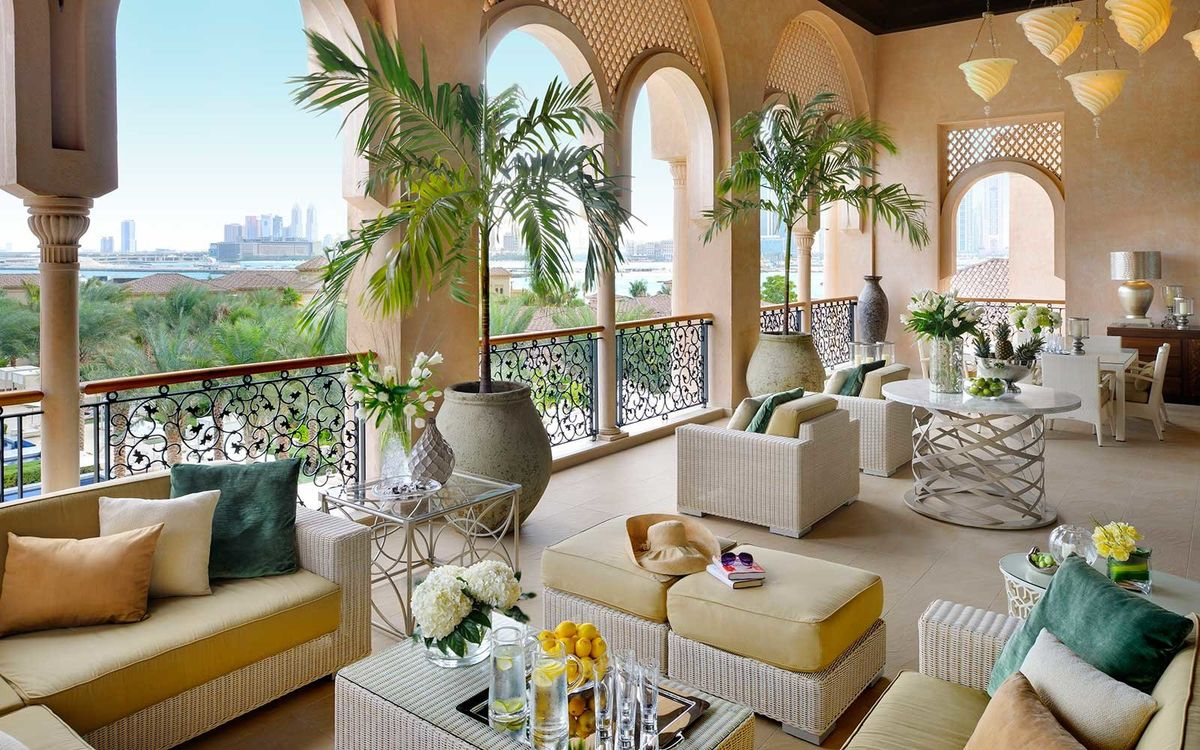
Middle East luxury living refers to a premium lifestyle centered around high-end residential properties, elite services, and exclusive experiences within the region. It includes luxury apartments, waterfront villas, gated communities, branded residences, and smart homes equipped with advanced technology.
The concept combines comfort, prestige, and convenience. Residents often enjoy private gyms, swimming pools, spa facilities, concierge services, and direct access to shopping centers or beaches. Many communities are designed to provide security, privacy, and a peaceful environment for families and professionals.
Luxury living in the Middle East also reflects cultural sophistication. Properties frequently blend modern architecture with traditional design influences. This combination creates unique homes that appeal to both international and regional buyers.
The market continues to expand because governments invest heavily in tourism, infrastructure, and business development. As more investors move into the region, demand for luxury real estate keeps increasing.
Why is Middle East Luxury Living Important?
Middle East luxury living plays a major role in economic growth and global investment. Luxury developments attract wealthy buyers, international businesses, and tourism. This helps create jobs and supports industries such as construction, hospitality, and retail.
The luxury property sector also strengthens the international reputation of major cities in the region. Iconic skyscrapers, waterfront communities, and premium resorts make these destinations attractive to global investors and travelers.
Another important factor is quality of life. Luxury communities provide advanced healthcare access, premium education, green spaces, and modern transportation systems. Residents benefit from safer neighborhoods and high-quality services that improve daily living.
For investors, luxury properties can offer long-term financial value. Many premium developments maintain strong demand because of limited availability and high market interest. This makes Middle East luxury living appealing for both lifestyle and investment purposes.
Detailed Step-by-Step Guide
Understand Your Lifestyle Goals
The first step is identifying what type of luxury lifestyle you want. Some people prefer beachfront villas with private pools, while others enjoy high-rise apartments in busy urban districts. Families may focus on schools and community facilities, whereas professionals might prioritize business locations and entertainment access.
Understanding your priorities helps narrow your options and prevents unnecessary spending.
Research the Best Locations
Location is one of the most important parts of Middle East luxury living. Popular luxury destinations often include waterfront districts, financial centers, and exclusive gated communities.
When researching locations, consider the following factors:
- Nearby schools and hospitals
- Transportation access
- Shopping and entertainment options
- Future development projects
- Security and privacy levels
Areas with strong infrastructure and growing demand usually offer better long-term value.
Set a Realistic Budget
Luxury properties come with additional costs beyond the purchase price. Buyers should calculate maintenance fees, service charges, taxes, insurance, and renovation expenses before making a decision.
Creating a clear budget helps avoid financial pressure later. It is also wise to reserve funds for emergencies or future upgrades.
Choose the Right Property Type
The Middle East luxury market offers different property styles. Buyers should compare features carefully before investing.
Common luxury property types include:
- Waterfront villas
- Penthouse apartments
- Smart homes
- Branded residences
- Golf community homes
- Resort-style apartments
Each property type provides different benefits depending on lifestyle preferences and investment goals.
Work With Experienced Professionals

Luxury real estate transactions often involve legal paperwork, contracts, and negotiations. Working with experienced agents, legal advisors, and financial consultants can make the process smoother.
Professionals can also provide valuable market insights and help buyers avoid risky investments.
Inspect the Property Carefully
Before purchasing any luxury property, buyers should inspect the home carefully. Check construction quality, smart systems, interior finishes, plumbing, electrical systems, and security features.
It is also important to verify ownership documents and community regulations.
Evaluate Community Amenities
One major attraction of Middle East luxury living is premium amenities. Buyers should compare community features before making a final decision.
Important amenities may include:
- Fitness centers
- Swimming pools
- Parks and walking tracks
- Concierge services
- Private parking
- Security systems
- Clubhouses
- Beach access
High-quality amenities improve both lifestyle comfort and property value.
Consider Long-Term Investment Potential
Luxury living should support both comfort and financial growth. Research market trends, rental demand, tourism growth, and future infrastructure projects before investing.
Properties located in rapidly developing areas often provide stronger appreciation over time.
Focus on Interior Design and Functionality
Luxury homes should combine beauty with practicality. Spacious layouts, natural lighting, premium materials, and smart technology improve daily living experiences.
Modern buyers also prefer energy-efficient systems and eco-friendly features that reduce long-term costs.
Understand Local Laws and Regulations
Different countries in the region have unique property ownership laws. Some areas allow full foreign ownership, while others may have restrictions.
Learning the legal framework protects buyers from complications and ensures a safer investment process.
Benefits of Middle East Luxury Living
Middle East luxury living provides many personal and financial advantages.
- Access to world-class amenities and services
- High levels of comfort and convenience
- Strong investment opportunities
- Modern architecture and smart technology
- Premium security and privacy
- High-quality healthcare and education access
- Excellent entertainment and dining options
- International business opportunities
- Strong rental demand in many luxury areas
- Prestigious lifestyle and social status
These benefits continue to attract global buyers to the region every year.
Disadvantages and Risks
Although luxury living offers many rewards, buyers should also understand possible challenges.
- High purchase and maintenance costs
- Market fluctuations affecting property value
- Expensive service charges in premium communities
- Legal complexities for foreign buyers
- Potential overspending on luxury upgrades
- Economic changes impacting investment returns
- Limited liquidity in some luxury markets
- Dependence on market demand for resale opportunities
Understanding these risks helps buyers make balanced decisions.
Common Mistakes to Avoid
Many buyers enter the luxury property market without proper planning. Avoiding common mistakes can save money and reduce stress.
One common mistake is buying a property only because of appearance. A beautiful design does not always guarantee long-term value or functionality.
Another mistake is ignoring hidden costs. Buyers sometimes focus only on the purchase price and forget about maintenance fees, taxes, and insurance expenses.
Some investors also fail to research the developer. Choosing a trusted developer is essential for quality and project reliability.
Rushing the buying process is another major problem. Buyers should compare multiple properties and locations before making a decision.
Ignoring future market trends can also reduce profitability. Understanding economic growth and infrastructure plans helps investors choose stronger opportunities.
Finally, some people overlook legal details. Always review contracts carefully and seek professional guidance when necessary.
FAQs
What makes Middle East luxury living different from other regions?
Middle East luxury living stands out because of its combination of modern innovation, premium hospitality, cultural elegance, and large-scale luxury developments. Many communities offer resort-style amenities and advanced smart technologies.
Is luxury real estate in the Middle East a good investment?
Luxury real estate can be a strong investment when buyers choose the right location and developer. High tourism levels, international business growth, and infrastructure projects often support property demand.
Which property type is best for beginners?
For beginners, luxury apartments or branded residences are often easier to manage than large villas. They usually provide modern amenities with lower maintenance responsibilities.
Are luxury communities family friendly?
Yes, many luxury communities are designed for families. They often include schools, parks, healthcare facilities, sports centers, and secure environments.
Do luxury homes include smart technology?
Most modern luxury properties now include smart systems for lighting, climate control, security, and entertainment. These features improve comfort and efficiency.
How can buyers reduce investment risks?
Buyers can reduce risks by researching the market carefully, choosing trusted developers, setting realistic budgets, and working with experienced professionals.
Why is location important in luxury living?
Location affects lifestyle quality, property appreciation, rental demand, and future resale value. Premium locations often maintain stronger long-term demand.
Expert Tips and Bonus Points
Experts recommend focusing on both lifestyle satisfaction and financial value when investing in luxury properties.
Always visit the property in person whenever possible. Photos and marketing materials may not fully represent the actual environment.
Study upcoming infrastructure projects because future developments can increase property value significantly.
Diversifying investments is another smart strategy. Instead of investing all funds into one property, buyers can explore multiple opportunities across different areas.
Networking with local experts can provide valuable market knowledge and early access to premium developments.
Buyers should also prioritize sustainability features. Eco-friendly buildings and energy-efficient systems are becoming more desirable among modern investors.
Another useful tip is monitoring rental demand trends. Some luxury locations perform exceptionally well in short-term rentals and vacation markets.
Finally, patience is important. Luxury investments often deliver better results over the long term rather than through quick resale strategies.
Conclusion
Middle East luxury living continues to redefine modern lifestyles through elegance, innovation, and premium experiences. The region offers a unique blend of cultural richness, advanced infrastructure, and world-class residential communities that appeal to both homeowners and investors.
From waterfront villas to smart apartments, luxury properties now provide more than simple accommodation. They create complete lifestyle experiences built around comfort, convenience, security, and prestige. At the same time, growing tourism and business opportunities continue to strengthen the region’s real estate market.
For beginners and intermediate buyers, understanding the market carefully is essential. Researching locations, evaluating budgets, inspecting properties, and working with trusted professionals can make the buying process much smoother and safer.
Although risks such as market fluctuations and high maintenance costs exist, smart planning can help investors reduce potential challenges. Buyers who focus on long-term value, quality developments, and strong locations often achieve better financial results.
As the region continues to grow, Middle East luxury living is expected to remain one of the most attractive lifestyle and investment sectors worldwide. Whether someone wants a peaceful family environment, a prestigious urban residence, or a profitable investment opportunity, the Middle East offers exceptional choices for modern luxury living.
