

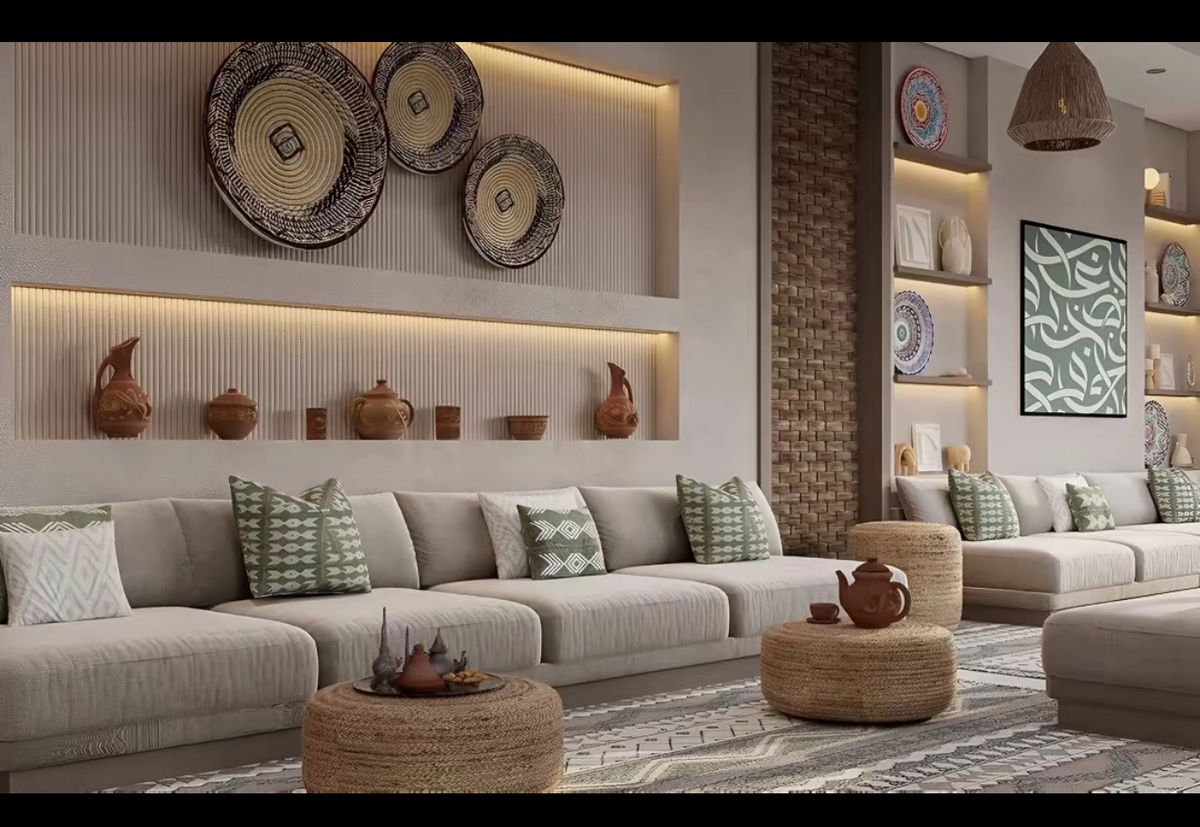
Introduction
The modern Arab lifestyle is a unique blend of deep-rooted traditions and contemporary living. Across the Arab world, people are balancing cultural heritage with modern ideas, creating lifestyles that reflect both history and progress. From fashion and food to technology and family values, Arab societies continue to evolve while maintaining strong connections to their traditions.
Today, the modern Arab lifestyle is influenced by globalization, digital transformation, education, travel, and social media. Young generations are embracing innovation, entrepreneurship, and creative expression without completely leaving behind their cultural identity. This balance has created a fascinating social environment where traditional customs coexist with modern trends.
In many Arab countries, cities are growing rapidly, luxury lifestyles are becoming more common, and modern architecture is reshaping urban areas. At the same time, hospitality, family unity, and religious values remain central parts of everyday life. The result is a lifestyle that feels modern yet culturally rich.
Understanding the modern Arab lifestyle helps people appreciate the diversity and development within Arab communities. It also highlights how Arab societies are adapting to global changes while protecting their traditions and values. Whether discussing fashion, business, entertainment, or social habits, the modern Arab lifestyle continues to attract worldwide attention for its elegance, ambition, and cultural depth.
What is Modern Arab Lifestyle?
The modern Arab lifestyle refers to the way contemporary Arab communities live while combining traditional customs with modern influences. It reflects changes in education, work culture, fashion, technology, entertainment, and social values across Arab countries.
Unlike older generations that followed stricter traditional systems, modern Arab society often embraces innovation and global trends. However, cultural identity still plays an important role in daily life. Family respect, hospitality, religion, and community relationships remain highly valued.
The modern Arab lifestyle varies from one country to another. For example, urban areas in the Gulf region may focus more on luxury living and advanced technology, while other Arab nations may emphasize artistic traditions or local customs. Despite these differences, many Arab communities share similar cultural foundations.
This lifestyle also includes changing roles for women, greater access to education, expanding business opportunities, and increased use of digital platforms. Young Arabs are now participating in international industries such as fashion, media, technology, and entrepreneurship.
Overall, the modern Arab lifestyle represents a balance between preserving heritage and adapting to modern life.
Why is Modern Arab Lifestyle Important?
The modern Arab lifestyle is important because it demonstrates how societies can evolve without losing their cultural identity. It reflects progress while maintaining traditions that have existed for generations.
One major reason this lifestyle matters is cultural preservation. Even with rapid modernization, Arab communities continue to celebrate language, traditional clothing, religious practices, and family values. This balance helps younger generations stay connected to their roots.
Another important factor is economic growth. Modern Arab societies are investing heavily in technology, tourism, education, and business development. These changes create new career opportunities and improve living standards.
The modern Arab lifestyle also promotes social development. Women are becoming more active in professional industries, entrepreneurship is expanding, and younger people are gaining greater access to global knowledge and experiences.
Additionally, this lifestyle influences global culture through cuisine, fashion, architecture, entertainment, and luxury travel. Arab cities are becoming international centers for tourism, innovation, and business.
As a result, the modern Arab lifestyle plays a major role in shaping both regional and global cultural trends.
Detailed Step-by-Step Guide
Understanding Traditional Values
The foundation of the modern Arab lifestyle still comes from traditional values. Family respect, hospitality, generosity, and religious practices continue to shape social behavior.
Many families regularly gather for meals, celebrations, and religious events. Elders are respected, and community relationships are considered important parts of life.
Adopting Modern Fashion Trends
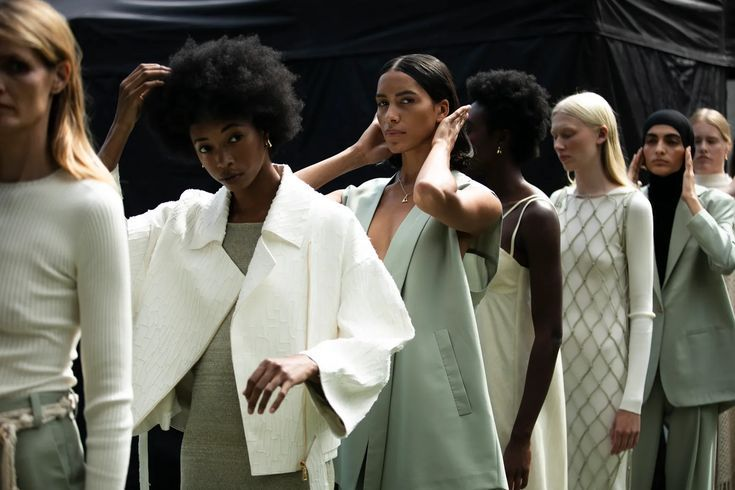
Fashion has become one of the strongest expressions of the modern Arab lifestyle. Many people combine traditional clothing with modern designs.
For example:
- Traditional abayas now feature stylish cuts and luxury fabrics.
- Men often mix classic attire with modern accessories.
- Young people follow international fashion trends while maintaining modesty.
Social media influencers and Arab fashion designers also contribute to changing fashion preferences.
Embracing Technology
Technology plays a major role in modern Arab society. Smartphones, online businesses, digital banking, and social media platforms are widely used.
People now rely on technology for:
- Communication
- Shopping
- Education
- Entertainment
- Business growth
Smart cities and digital innovation projects are also becoming more common across Arab countries.
Building Modern Homes
Modern architecture is another important feature of the modern Arab lifestyle. Homes now combine luxury, comfort, and cultural design elements.
Common features include:
- Open living spaces
- Elegant interior decoration
- Smart home technology
- Traditional Arabic patterns
- Large family gathering areas
Urban development has transformed many Arab cities into global architectural landmarks.
Following Modern Education and Careers
Education has become a priority in many Arab communities. Students are pursuing careers in medicine, engineering, media, technology, and business.
Modern workplaces encourage:
- Entrepreneurship
- Innovation
- Digital skills
- International collaboration
- Creative industries
Young professionals are increasingly participating in global markets while maintaining cultural identity.
Balancing Religion and Modern Living
Religion remains a central part of the modern Arab lifestyle. Many people balance professional success and modern entertainment with religious practices and spiritual values.
Daily prayers, Ramadan traditions, and Islamic ethics continue to influence lifestyle choices and social behavior.
Enjoying Modern Entertainment
Entertainment options have expanded significantly in Arab societies. People now enjoy:
- International films
- Music festivals
- Sports events
- Luxury shopping
- Fine dining
- Online content creation
At the same time, traditional music, poetry, and cultural celebrations remain popular.
Benefits of Modern Arab Lifestyle
The modern Arab lifestyle offers several advantages for individuals and communities.
- Strong balance between tradition and progress
- High emphasis on family relationships
- Growing educational opportunities
- Expanding business and career options
- Increased global cultural influence
- Modern healthcare and technology access
- Improved infrastructure and urban development
- Rich culinary and artistic experiences
- Greater social connectivity through technology
- Preservation of cultural identity
These benefits contribute to social growth and improved quality of life.
Disadvantages / Risks
Despite its advantages, the modern Arab lifestyle also has certain challenges and risks.
- Rising cost of living in major cities
- Pressure to maintain luxury lifestyles
- Reduced face-to-face social interaction
- Cultural conflicts between generations
- Dependence on social media validation
- Fast-paced urban stress
- Increasing consumerism
- Loss of some traditional practices
- Work-life balance difficulties
- Environmental challenges from urban expansion
Addressing these issues is important for maintaining healthy and balanced communities.
Common Mistakes to Avoid
Many people misunderstand or misrepresent the modern Arab lifestyle. Avoiding common mistakes can help create a more accurate understanding.
Assuming All Arab Countries Are the Same
Each Arab country has unique traditions, dialects, customs, and lifestyles. Generalizing all Arab societies creates confusion.
Ignoring Cultural Values
Modernization does not mean cultural traditions disappear. Respect for religion, family, and hospitality still remains important.
Focusing Only on Luxury
Although luxury lifestyles are visible in some cities, the modern Arab lifestyle also includes education, entrepreneurship, creativity, and community development.
Overlooking Youth Influence
Young people are driving many social and technological changes across Arab societies. Ignoring their role gives an incomplete picture.
Depending Entirely on Social Media
Social media often shows only glamorous aspects of life. Real lifestyles are more diverse and balanced than online portrayals.
Misunderstanding Fashion Choices
Modern Arab fashion varies greatly and often reflects personal identity, modesty, and cultural pride rather than stereotypes.
FAQs
What defines the modern Arab lifestyle?
The modern Arab lifestyle combines traditional Arab culture with contemporary living. It includes modern fashion, technology, education, and urban development while preserving cultural and religious values.
Is the modern Arab lifestyle the same in every country?
No, lifestyles vary across different Arab nations. Economic conditions, traditions, and local customs influence how people live in each country.
How important is family in modern Arab society?
Family remains extremely important. Even with modernization, strong family bonds continue to shape social life and personal decisions.
How has technology changed Arab lifestyles?
Technology has improved communication, business, education, entertainment, and healthcare. Social media and digital services are now part of daily life.
What role does fashion play in the modern Arab lifestyle?
Fashion is a major form of self-expression. Many people combine traditional clothing with modern trends while respecting cultural values.
Are women playing larger roles in modern Arab communities?
Yes, women are increasingly active in education, business, media, healthcare, politics, and entrepreneurship across many Arab countries.
Does religion still influence modern Arab lifestyles?
Yes, religion continues to shape values, traditions, ethics, and social practices even in highly modernized urban environments.
Why is the modern Arab lifestyle gaining global attention?
People around the world are interested in Arab fashion, architecture, luxury tourism, cuisine, business growth, and cultural richness.
Expert Tips & Bonus Points
Understanding the modern Arab lifestyle becomes easier when people focus on cultural diversity and social development rather than stereotypes.
Here are some useful expert tips:
- Learn about different Arab cultures individually.
- Respect local customs and traditions when visiting Arab countries.
- Explore traditional Arab cuisine and hospitality experiences.
- Follow Arab creators, designers, and entrepreneurs for modern insights.
- Understand the role of religion in shaping social values.
- Observe how technology and innovation are transforming Arab cities.
- Appreciate both traditional and modern forms of artistic expression.
Bonus Points:
- Many Arab cities are becoming global technology and tourism hubs.
- Arabic fashion designers are gaining international recognition.
- Arab youth are contributing heavily to digital content creation.
- Traditional Arabic hospitality remains one of the strongest cultural traits.
- Modern Arab architecture blends historical beauty with futuristic design.
These elements make the modern Arab lifestyle both unique and globally influential.
Conclusion
The modern Arab lifestyle is a powerful example of how tradition and progress can exist together successfully. Across the Arab world, societies are adapting to global changes while preserving the cultural values that define their identity. This balance has created communities that are modern, ambitious, and deeply connected to their heritage.
From advanced technology and luxury urban living to strong family bonds and religious traditions, the modern Arab lifestyle reflects both innovation and cultural pride. Young generations are leading change through education, entrepreneurship, fashion, and digital creativity. At the same time, respect for family, hospitality, and community remains an essential part of daily life.
As Arab societies continue to grow and evolve, their influence on global culture becomes even stronger. Modern architecture, cuisine, entertainment, and fashion are attracting international attention and reshaping global perceptions.
Understanding the modern Arab lifestyle allows people to appreciate the diversity and richness of Arab communities beyond common stereotypes. It highlights a world where modern living does not replace tradition but instead works alongside it to create a balanced and meaningful way of life.
In the coming years, the modern Arab lifestyle will likely continue evolving through technology, education, and cultural exchange while maintaining the values that have shaped Arab societies for generations.
