

Introduction
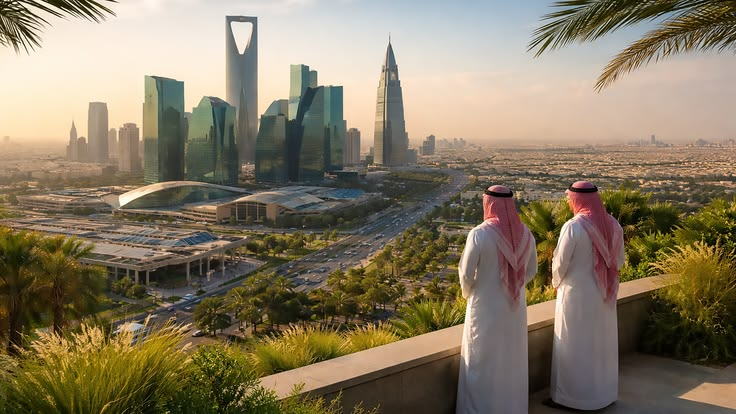
Saudi Arabia has experienced a remarkable cultural transformation over the past few decades, reshaping how people live, work, and interact in society. The concept of Saudi Arabia modern culture reflects a blend of traditional Islamic values and rapidly evolving global influences. From entertainment and fashion to education and digital lifestyles, the country has embraced change while preserving its deep-rooted heritage.
In recent years, initiatives under Vision 2030 have significantly accelerated cultural openness and diversification. As a result, cities like Riyadh, Jeddah, and Dammam have become hubs of innovation, creativity, and social development. The younger generation, in particular, plays a vital role in shaping this new cultural identity, influenced by technology, global media, and international exchange.
Today, Saudi Arabia modern culture is not just about lifestyle changes; it represents a broader shift in mindset, economy, and social structure. Understanding this transformation helps us see how the country is balancing tradition with progress in a rapidly changing world.
What is Saudi Arabia Modern Culture?
Saudi Arabia modern culture refers to the evolving lifestyle, values, and social practices in the Kingdom influenced by globalization, technology, and economic diversification. While Islamic traditions and Arab heritage remain central, modern elements are increasingly visible in daily life.
This cultural shift includes changes in entertainment, fashion, education, tourism, and workplace environments. Cinemas, concerts, sports events, and international festivals are now part of everyday life, especially in urban areas. At the same time, traditional customs such as hospitality, family values, and religious practices continue to hold strong importance.
In essence, Saudi Arabia modern culture is a dynamic combination of preservation and progress. It reflects how society is adapting to global trends while maintaining its unique identity.
Why is Saudi Arabia Modern Culture Important?
The evolution of culture in Saudi Arabia plays a crucial role in shaping the nation’s future. It is not just a social transformation but also an economic and political strategy aligned with national development goals.
One of the main reasons this cultural shift is important is economic diversification. By promoting tourism, entertainment, and creative industries, the country is reducing its dependence on oil revenues. This creates new job opportunities and attracts global investment.
Additionally, Saudi Arabia modern culture helps improve international relations. A more open cultural environment encourages cross-cultural understanding and global collaboration.
It also empowers youth, who make up a large percentage of the population. With access to education, technology, and global platforms, young Saudis are becoming active contributors to innovation and entrepreneurship.
Overall, cultural modernization supports long-term national growth while enhancing the quality of life for citizens and residents.
Detailed Step-by-Step Guide to Understanding Cultural Transformation
Step 1: Understanding Traditional Foundations
Before exploring modern changes, it is essential to understand Saudi Arabia’s traditional roots. The society is built on Islamic principles, strong family structures, and tribal heritage. These values still influence daily life, social interactions, and decision-making processes.
Step 2: Identifying Key Modern Influences
Globalization, digital media, and international education have introduced new ideas and lifestyles. Exposure to global trends has reshaped fashion, entertainment, and communication styles among younger generations.
Step 3: Observing Urban Development
Cities like Riyadh and Jeddah have undergone massive infrastructure growth. Modern architecture, smart cities, shopping malls, and entertainment zones represent the physical expression of cultural transformation.
Step 4: Analyzing Entertainment Growth
Entertainment is now a major component of Saudi Arabia modern culture. Concerts, cinemas, sports events, and festivals are widely accessible, offering diverse experiences for residents and tourists.
Step 5: Understanding Digital Transformation
Technology plays a central role in shaping modern culture. Social media platforms, e-commerce, and digital communication tools have changed how people interact and consume content.
Step 6: Recognizing Youth Influence
The younger generation is the driving force behind cultural evolution. Their openness to global trends and innovation has significantly accelerated modernization across various sectors.
Benefits of Saudi Arabia Modern Culture
- Encourages economic diversification and reduces reliance on oil
- Creates new job opportunities in entertainment, tourism, and tech industries
- Enhances global connectivity and international cooperation
- Improves quality of life through entertainment and lifestyle options
- Supports education and skill development for youth
- Promotes innovation and entrepreneurship
- Strengthens national identity while embracing global trends
- Attracts foreign investment and tourism growth
Disadvantages / Risks of Cultural Modernization
- Potential cultural tension between traditional and modern values
- Rapid change may create generational gaps in understanding
- Overexposure to global influences could impact local identity
- Increased commercialization of cultural practices
- Social adjustment challenges in rural or conservative areas
- Risk of imbalance between modernization and heritage preservation
- Pressure on infrastructure due to urban growth
Common Mistakes to Avoid
One common mistake is assuming that modernization means abandoning tradition. In reality, Saudi Arabia modern culture is about balance, not replacement.
Another mistake is generalizing the entire country based on urban developments. Rural areas may evolve at a different pace, and both perspectives are important.
It is also incorrect to ignore the role of religion in modern society. Islamic values continue to guide social behavior and remain deeply respected.
Lastly, many people overlook the importance of youth involvement. Without understanding the younger generation, it is difficult to fully grasp cultural transformation.
FAQs
1. What defines Saudi Arabia modern culture?
It is defined by the blend of traditional Islamic values with modern influences such as technology, entertainment, education, and global lifestyle trends. It reflects social and economic transformation across the country.
2. How has Vision 2030 impacted culture?
Vision 2030 has significantly expanded entertainment, tourism, and social development sectors. It has opened new opportunities for cultural expression and economic diversification.
3. Is traditional culture still important in Saudi Arabia?
Yes, traditional culture remains highly important. Family values, religion, and heritage continue to shape daily life and social interactions.
4. What role does youth play in modern culture?
Youth play a major role by driving innovation, adopting global trends, and contributing to new industries such as technology and entertainment.
5. How has entertainment changed in Saudi Arabia?
Entertainment has expanded significantly with cinemas, concerts, festivals, and sports events becoming widely available across major cities.
6. Does modernization affect Saudi identity?
Modernization enhances Saudi identity by integrating global progress while preserving cultural and religious foundations.
Expert Tips & Bonus Points
To better understand Saudi Arabia modern culture, it is important to observe both urban and rural lifestyles. This provides a balanced perspective on how change is occurring at different levels.
Another expert tip is to follow economic and social reforms closely, as they directly influence cultural development.
Engaging with local traditions, festivals, and community events can also help in appreciating the depth of cultural heritage.
Additionally, keeping track of youth-driven initiatives and startups offers insight into the future direction of society.
Finally, always consider the balance between innovation and tradition, as this duality defines the essence of modern Saudi culture.
Conclusion
Saudi Arabia has undergone a powerful cultural transformation that continues to shape its identity in the modern world. The evolution of Saudi Arabia modern culture reflects a careful balance between preserving heritage and embracing global progress.
Through economic reforms, social development, and technological advancement, the country has created a dynamic environment where tradition and modernity coexist. This transformation is most visible in urban centers, where lifestyle, entertainment, and education have expanded significantly.
At the same time, cultural values such as family, religion, and hospitality remain at the heart of society. This balance ensures that modernization does not erase identity but strengthens it.
Looking ahead, Saudi Arabia modern culture will continue to evolve as youth participation, innovation, and global engagement increase. The journey represents not just change, but a strategic vision for a more diversified, connected, and forward-looking nation.
